


SmithGroup
Design Excellence

Philip Merrill Environmental Center Wins AIA’s Twenty-five Year Award
News : In the News

Four SmithGroup Projects Receive National AIA Awards
News : In the News

Todd Kohli Elevated to ASLA Council of Fellows
News : People News

David Glenn Named "40 Under 40" Honoree by Consulting-Specifying Engineer
News : News Releases

SRJC’s Lindley Center for STEM Education Honored with National SCUP/AIA Award for Architectural Excellence
News : In the News

ENR Midwest Honors SmithGroup as Design Firm of the Year
News : In the News

Lab Design News Professional Profile: Michael Paul Krug
News : People News

SmithGroup Appoints Vince Avallone to Director of Medical Planning
News : News Releases

Ana Paredes Recognized as "40 Under 40" Honoree by BD+C Magazine
News : In the News

Virginia Tech Academic Building One Earns Dual Honors at Interior Design Best of Year Awards
News : Awards

Kierstyn Feldlavy Named HCD Rising Star 2025
News : In the News

SmithGroup Named a Top-Ranked Workplace in the USA
News : News Releases

Brenna Costello Elevated to Fellow of the American College of Healthcare Architects
News : News Releases

SmithGroup Ranked Among the Top 5 Largest Laboratory Architecture Firms for 2024
News : In the News

Andrea Reynolds Named to the Structural Engineering Institute (SEI) College of Fellows
News : People News

SmithGroup Earns Double Honors in Interior Design Magazine's Best of Year Awards
News : In the News

SmithGroup is Nation’s Largest University Architecture Firm of 2024
News : In the News

Vince Avallone Elevated to Fellow of the American College of Healthcare Architects
News : People News

Metropolis Awards River People Health Center for Best Social Impact
News : In the News

SmithGroup Recognized in Athletic Business Facilities of Merit Class of 2024
News : In the News

Jim Shepherd Named to The Association for Preservation Technology College of Fellows
News : People News

SmithGroup Recognized at COP29 for Climate Leadership in Healthcare
News : In the News


Human-First and Future-Ready: A Design Framework for Unlocking Human Potential
Perspectives

The Strength Shift: What the Rise of Heavy Lifting Means for Campus Rec Design
Perspectives

Beyond Human-Centered: When History, Culture, and Tribe Set the Brief
Perspectives

Designing People-Centered Transit Hubs: Gateways to Opportunity
Perspectives

Why Engaging the Next Generation in Museum Design is Essential
Perspectives

More than Human: Designing for Wildlife
Perspectives

Building a Museum
Justice, Equity, Diversity and Inclusion

Creating an Affordable Future for Housing in the Urban Century
Perspectives

Beyond the Trail: Designing for Community Reinvestment
Perspectives

Designing for Impact: Community, Equity, and the Future of Healthcare
Perspectives

The Current South Shore: A Holistic and Equitable Approach to Senior Living
News : In the News

Gamification and Gen Alpha: What it Means for Workplace Design
Perspectives

South San Francisco's Civic Center Park & Playground: A Place for People of All Ages & Abilities
Perspectives

Dayton Schroeter Writes for New Book: Museums and Mass Violence
News : In the News

Ambitious Museum Projects in Memphis and Richmond Confront the Past
News : In the News

SmithGroup Celebrates Opening of Michigan State University's New Multicultural Center
News : In the News

Creating Inclusive Spaces: Strategies for Spatial Equity and Longevity Living®
Perspectives

Ted Watkins Memorial Park
Project

Building on a Legacy: The New Capital Jewish Museum Embraces Its Historic Synagogue
News : In the News
Metropolis Awards River People Health Center for Best Social Impact
News : In the News

Dr. Martin Luther King Jr. Community Center & Health Center
Project

How Do We Improve Access to Health Education and Care for Rural Populations?
Perspectives

Longevity and Ageism: Redefining Senior Living
Perspectives

Dayton Schroeter Pens Essay for New Book: Empty Pedestals
News : In the News

Michigan State University - Multicultural Center
Project
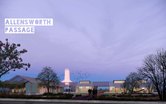
The Town that Refuses to Die Deserves to Thrive: Designing for Justice and Decarbonization in Allensworth, CA
Perspectives
Research & Innovation

From Huron Street to Research Journal by Drone
Perspectives

Human-Centered Design is a Competitive Advantage in the AI Era
Perspectives

Designing Health Education Facilities for the AI Era
Perspectives

The Future of Dental Education Is Digital by Design
Perspectives

Human-Centered Design in an AI-Driven Era: From Headquarters to Civic Spaces
Perspectives

Transform Campus Spaces Through Real-Time Data
Perspectives

AI is Changing How We Design Law Offices (Part 1)
Perspectives

CAMI to Transform Molecular and Immunological Research in Phoenix
News : In the News

Navigating the Impacts of Artificial Intelligence & Energy in Research-Driven Environments
Perspectives
The Intangible Metrics of Success in Research
Perspectives

Beyond Imagery: The Application of AI to Architectural Design
Perspectives
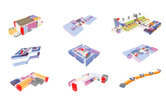
The Role of Tech Adaptation in Design Innovation
Perspectives

Kornberg Center, Promega Corporation
Project

The Voice of Interns: Designing through Research & Innovation
Perspectives
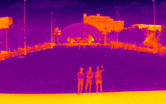
Keenan Gibbons' Research Featured on CNN
News : People News

How museums utilize virtual reality to attract more visitors and increase revenue
Perspectives

UNTHSC Regional Simulation Center
Project

VIDEO | Next-Gen Healthcare Design: The Power of AR & VR in the Design Process
Perspectives
Beyond Imagery: The Application of AI to Architectural Design
Perspectives
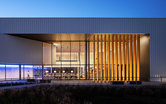
ZEISS Michigan Quality Excellence Center
Project
Community
Designing People-Centered Transit Hubs: Gateways to Opportunity
Perspectives

Affordable Housing Solutions: Bridging The Gap For Seniors
News : In the News

Building Design + Construction: Top 10 Trends in Senior Living Facilities for 2025
News : In the News
South San Francisco's Civic Center Park & Playground: A Place for People of All Ages & Abilities
Perspectives

Back to School: How University-based Retirement Communities are Redefining Senior Living
Perspectives

Texas A&M University Southside Recreation Center
Project

Design Must-Haves for Office Cafés
Perspectives
Dr. Martin Luther King Jr. Community Center & Health Center
Project

Zombie Offices: Bringing the Office Back From the Dead
Perspectives

Designing Connections: Can Architecture Help Solve for Loneliness in Senior Living?
Perspectives

Fast Company | 2024 World Changing Ideas Award Winners | Cuyahoga County Lakefront Access Plan
News : Awards

Sunnyvale Civic Center Campus
Project
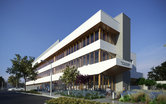
North County Wellness Center
Project

Wauwatosa 69th Street Center
Project

MEDC Redevelopment Ready Communities Resiliency Toolkit
Project
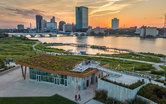
Glass City Metropark
Project

Expanding Waterfront Access at Lakewood Park
News : In the News

Riverfront Parks and Trails Master Plan
Project

The Future of Work: Generation Z, Office Design and Human Connection
Perspectives