Optimizing Admin Space for a Smarter Campus Footprint
Key Takeaways:
- Administrative offices occupy nearly 15% of campus space but are often underutilized due to decentralized operations and evolving hybrid work models.
- Moving offices off the campus core unlocks prime real estate for academic or revenue-generating uses.
- A mission‑driven vision ensures workplace changes support long‑term strategy.
- Early engagement, communication and training help staff embrace new workplace models.
As the nature of work continues to evolve, higher education institutions face mounting pressure to adapt, but administrative office environments have largely remained unchanged. While institutions of all types continue to grapple with financial constraints and increasing academic demands, valuable real estate in the campus core can be stretched thin. Administrative offices, which currently account for nearly 15% of campus square footage, are frequently underutilized due to inefficiencies of decentralized models and various forms of hybrid work patterns and policies. A forward-thinking approach to the administrative workplace both in space strategy and real estate approach can catalyze collaboration, cultural cohesion and operational efficiency, paving the way for smarter, strategic use of spaces on and off campus.
Hybrid Work is an Opportunity to Rethink Space
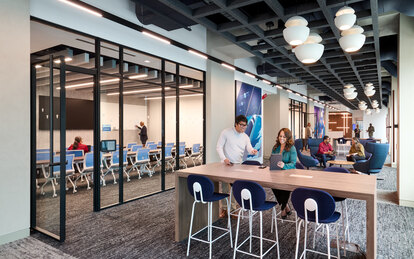
To alleviate pressure on campus resources, institutions are rethinking administrative space by embracing hybrid work models, reimagining office environments, and reallocating real estate to better serve academic priorities. Even as campus-wide policies continue to evolve, hybrid work is becoming normalized.
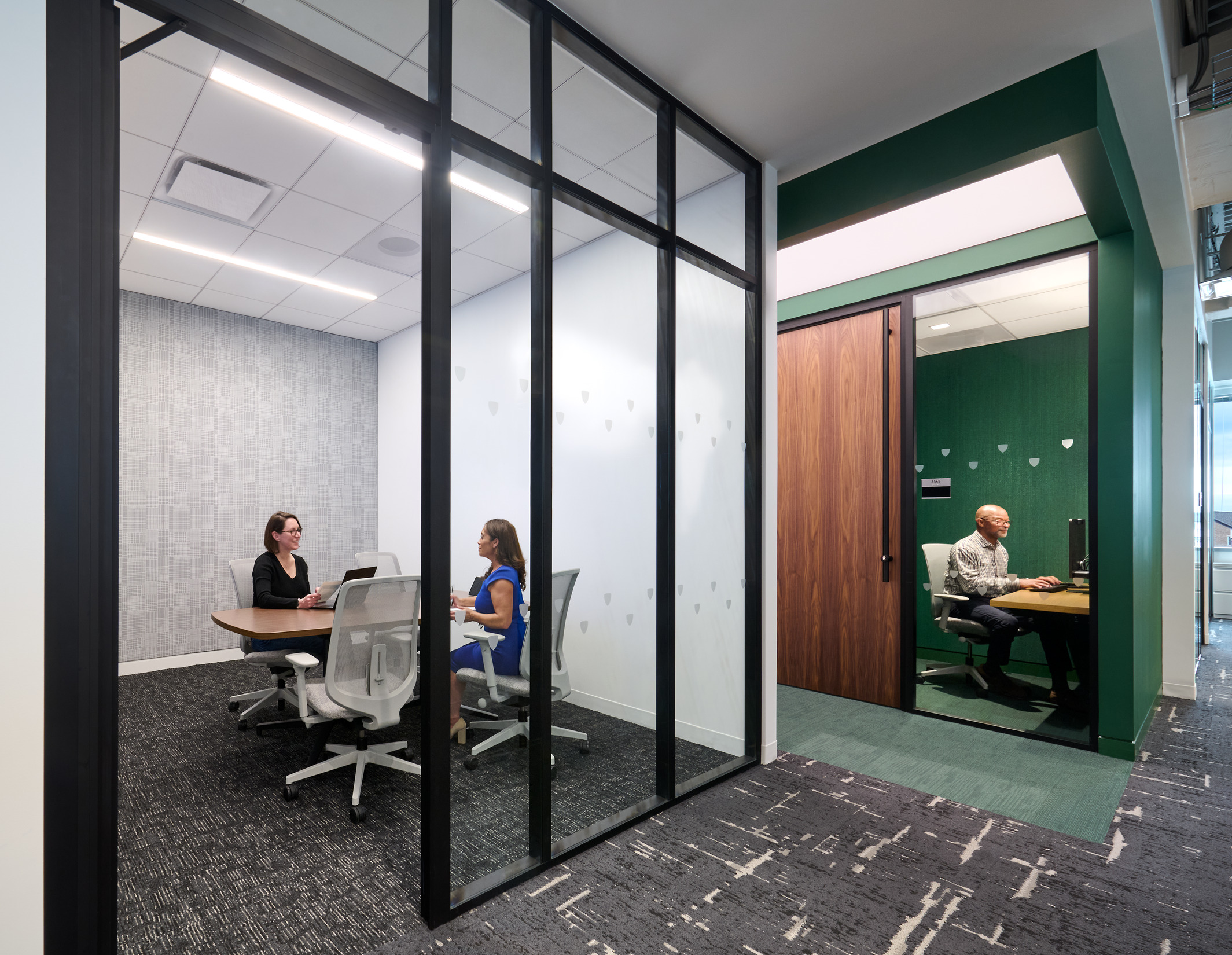
By exploring activity-based workplaces rich in technology and designed for varied workstyles, colleges and universities can optimize administrative environments for both users and the organization. These inclusive spaces democratize access, offer meaningful choice to individuals and teams, and align with institutional missions by delivering both cultural and financial benefits.
Strategic Relocation Can Unlock Prime Campus Real Estate
For University of Cincinnati, an opportunity to rethink their work environment, potentially relocates administrative workspace from the campus core and re-envisions a modern, activity-based work environment. A re-programming effort for ten administrative and leadership units consolidated space, capitalized on shared conferencing and collaboration spaces and recognized officing should respond to adopted hybrid schedules. The right-sized program was test-fit into a historic building that could be transformed into a modern, co-working space at the edge of campus. This potential re-location and consolidation results in approximately 170,000 GSF available for academic space in the prime core of campus while creating a forward-thinking workplace ready for the future.
A Mission‑Driven Vision is Essential
Embarking on an administrative workplace transition requires a strong, mission-driven vision, one that clearly articulates the business case for change and serves as a guiding framework for creating contemporary work environments that support diverse workstyles across campus. This foundational approach is what led leadership at the University of Michigan to begin with a simple but powerful question: “What would reimagined workplace for the future look like?”
SmithGroup partnered with the University of Michigan to lead visioning workshops that explored what the future of work and workplace could look like. Subsequently, an in-depth programmatic study of six administrative units with varying hybrid work agreements examined various space strategies to right-size square footage while maximizing shared conferencing and alternate workspaces.
This process led to a key realization: the university could relocate these units to a smaller, more efficient building and vacate the underutilized office space in a prime location, aligning with their goal of prioritizing the highest and best use of campus assets and enhancing the staff experience. By considering the campus holistically, they recognized how a strategic asset move could unlock broader institutional value, aligning space decisions with the university’s long-term goals.
Change Management Determines Success
Change can be uncomfortable, and advancing the future of work on campus is a significant cultural shift beyond a physical change. Successfully implementing a future-focused workplace strategy requires a thoughtful change management process, including education and training for those involved.
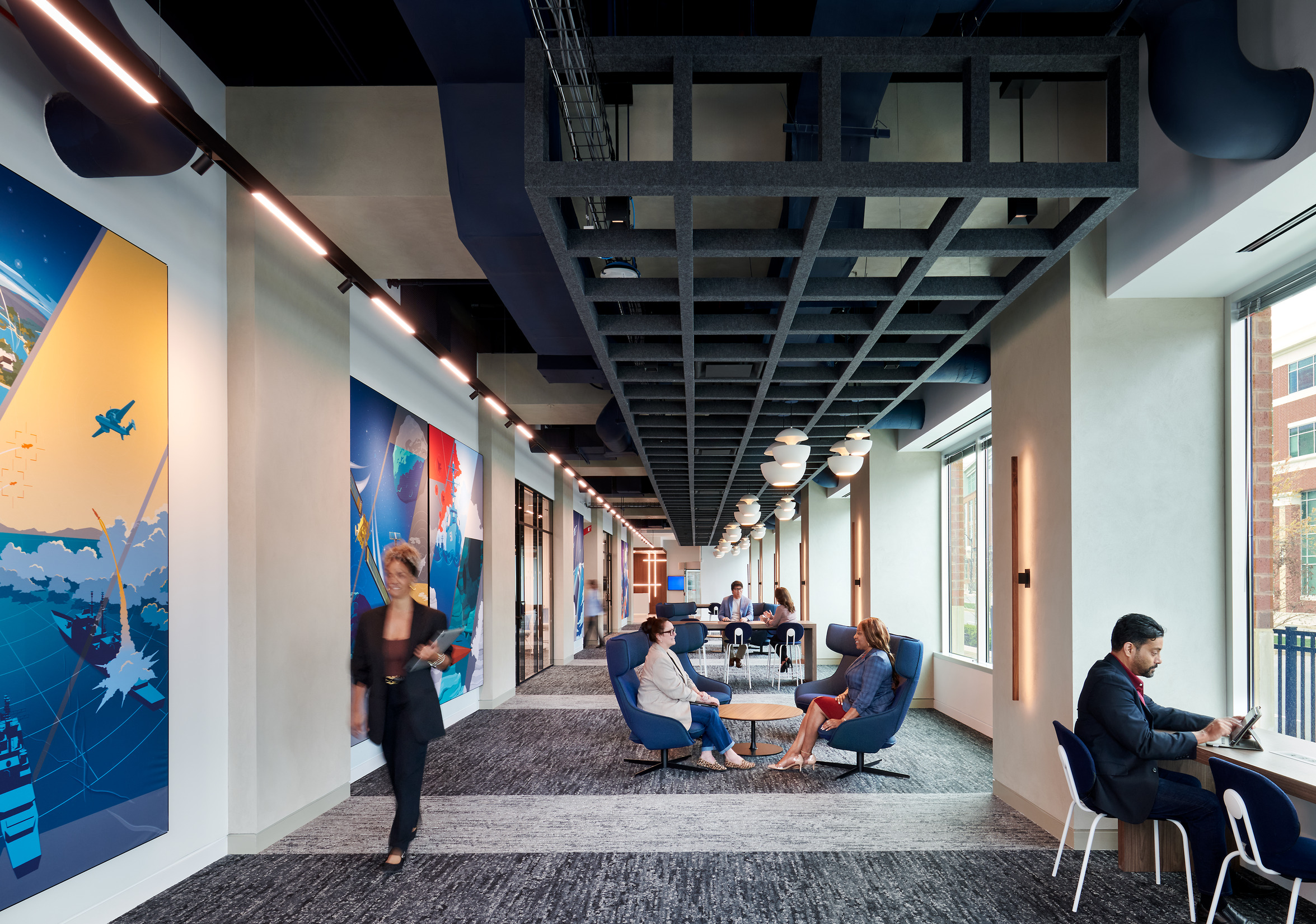
Faced with limited space on campus and a growing administrative workforce, Johns Hopkins University’s Applied Physics Laboratory turned to a nearby development, leasing roughly 110,000 square feet of office space. The university created a flexible workplace guided by structured hybrid work policy, featuring agile neighborhoods with shared collaborative areas and amenities. However, relocating the staff who support the campus from being on campus to off campus represented a significant cultural shift as well as tactical.
Change management was a critical component of this transformation, not just to manage logistics, but to build trust and foster engagement. Early involvement of staff teams helped cultivate ownership, with change ambassadors leading activities such as pre-move preparations, site tours, day-1 resource, and open house event as well as training effort with new workplace etiquette guide. Ongoing communication kept staff informed and connected to the design and construction as it progressed. By treating change as a cultural opportunity rather than a spatial challenge, the university created a highly adaptable environment aligned with its mission and the evolving nature of work.
Ultimately, reimagining administrative workplaces is not just a space exercise, it’s a strategic lever. By embracing flexibility, leveraging hybrid work, and planning holistically, universities can create more agile, inclusive, and future‑ready campuses.