Designing With, Not For: Why Engaging the Next Generation in Museum Design is Essential
Museums cannot remain relevant without meaningfully engaging youth early and often
Key Takeaways
- Engaging the rising generations early and meaningfully in the design process is essential to the long-term relevance and resilience of museums and cultural institutions.
- Youth perspectives surface insights that traditional engagement often misses—challenging assumptions about traditional norms, access, belonging, and the future role of cultural spaces.
- Engagement methods that encourage open and imaginative dialogue build trust, shared stewardship, and more adaptive design outcomes.
Rethinking Youth’s Role in Shaping Museums
For much of institutional history, young people were expected to play the role of cultural space observers rather than help shape them. Museums and civic institutions were designed for youth, not with them, reinforcing a passive relationship that no longer reflects how young people engage with culture today.
Within museum and cultural design, “the next generation” spans K-12 students, college-aged participants, and recent graduates. While diverse in age and experience, these groups share defining traits: they are socially aware, technologically fluent, and actively influencing cultural discourse beyond their immediate communities and onto the global stage. They question established systems, challenge inherited narratives, and imagine more inclusive futures. In doing so, they function as a critical bridge between present-day conditions and long-term possibilities. Their perspective is essential to understanding how museums must evolve to remain relevant.
Why Youth Belong at the Start of Museum Design
At SmithGroup, we believe meaningful museum engagement depends on the intentional inclusion of young people early in the design process. When youth are engaged thoughtfully, their participation strengthens design outcomes as they offer a rare dual perspective as both current users of museums and future stewards, advocates, and critics.
This perspective is shaped by the next generation’s distinct relationship to time and consequence. Young people experience cultural conditions in the present while inheriting the long-term outcomes of today’s design decisions. Their feedback often challenges assumptions about who museums are for, how spaces should function, and what it means to feel welcomed, represented, or inspired within an institution. By engaging youth early and meaningfully, museums are better positioned to anticipate change rather than react to it, ensuring continued relevance across generations.
How SmithGroup Engages Young Voices in Museum Design
Children and young adults bring different, but equally valuable, strengths to the engagement process. Younger participants often notice scale, texture, movement, and emotion with a sense of curiosity that invites fresh interpretation. Young adults tend to demonstrate a deeper awareness of social systems, raising questions about equity, climate responsibility, access, and institutional accountability. Together, these perspectives encourage design teams to challenge assumptions and envision alternative futures with both empathy and optimism, a foundation that informs the varied strategies SmithGroup uses to engage different age groups within young audiences.
Preparing Youth to Participate with Confidence
Effective youth engagement begins with preparation. Providing participants with clear context about the project, the role of design, and how their feedback will be used helps shift participation from reactionary to intentional. At Virginia Museum of Fine Arts (VMFA) and the Biggs Museum of American Art, youth engagement sessions began with a short introductory presentation that oriented participants to both the project and the engagement process itself, reinforcing that their input had purpose and impact, encouraging confident participation.
Partnering with educators and the next generation to develop age-appropriate framing before engagement is especially effective. Pre-session exercises, classroom discussions, or creative prompts can help youth arrive informed and ready to contribute. For example, at engagement sessions with students for the renovation of a historic room at a university, the design team developed a primer document that built upon initial research by students about the history presented in the room, which then provided introductory orientation for all engagement sessions. These types of preparations build trust, particularly among younger participants, and reinforce that their perspectives are valued and taken seriously.
Moving Beyond One-Size-Fits-All Engagement
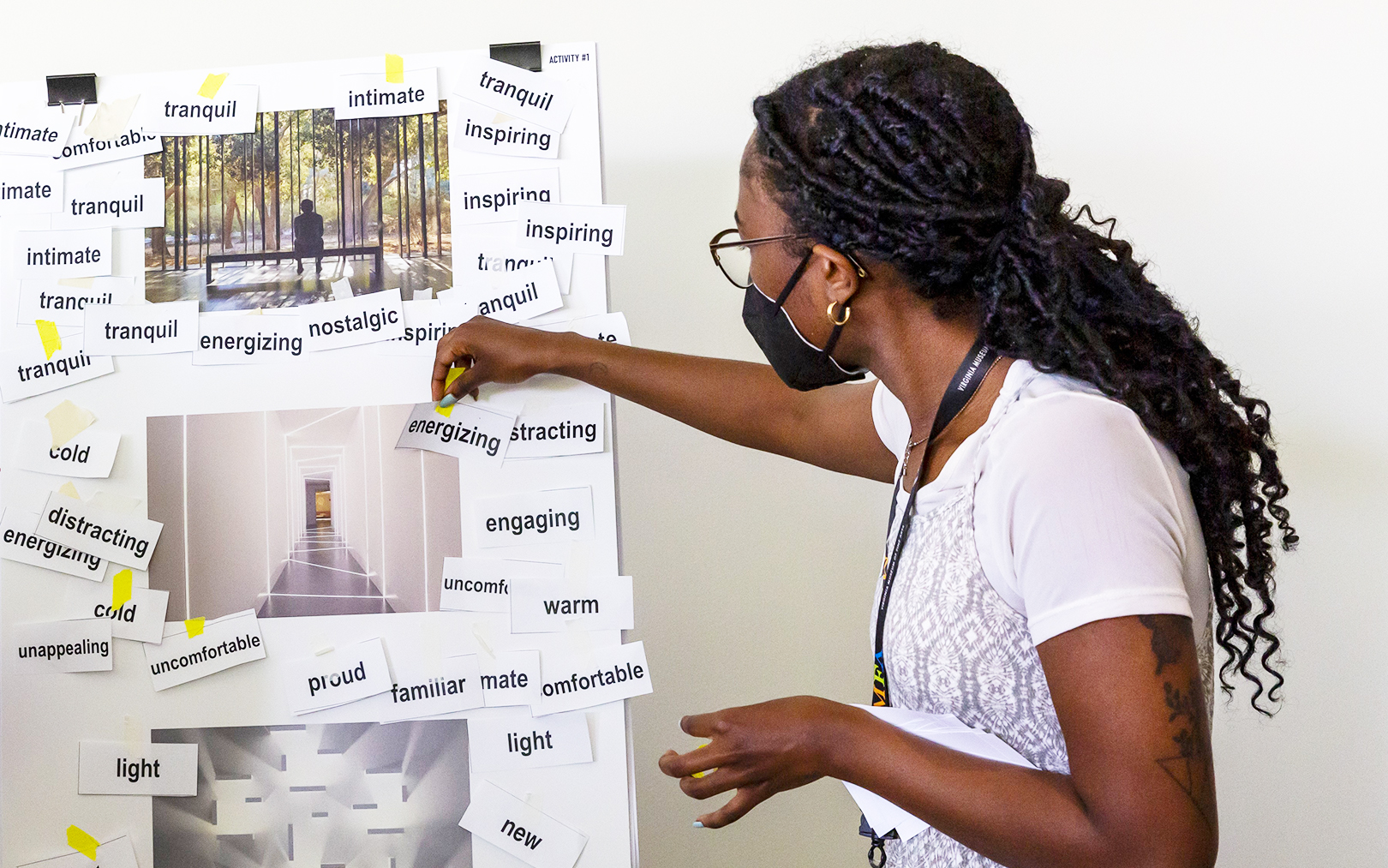
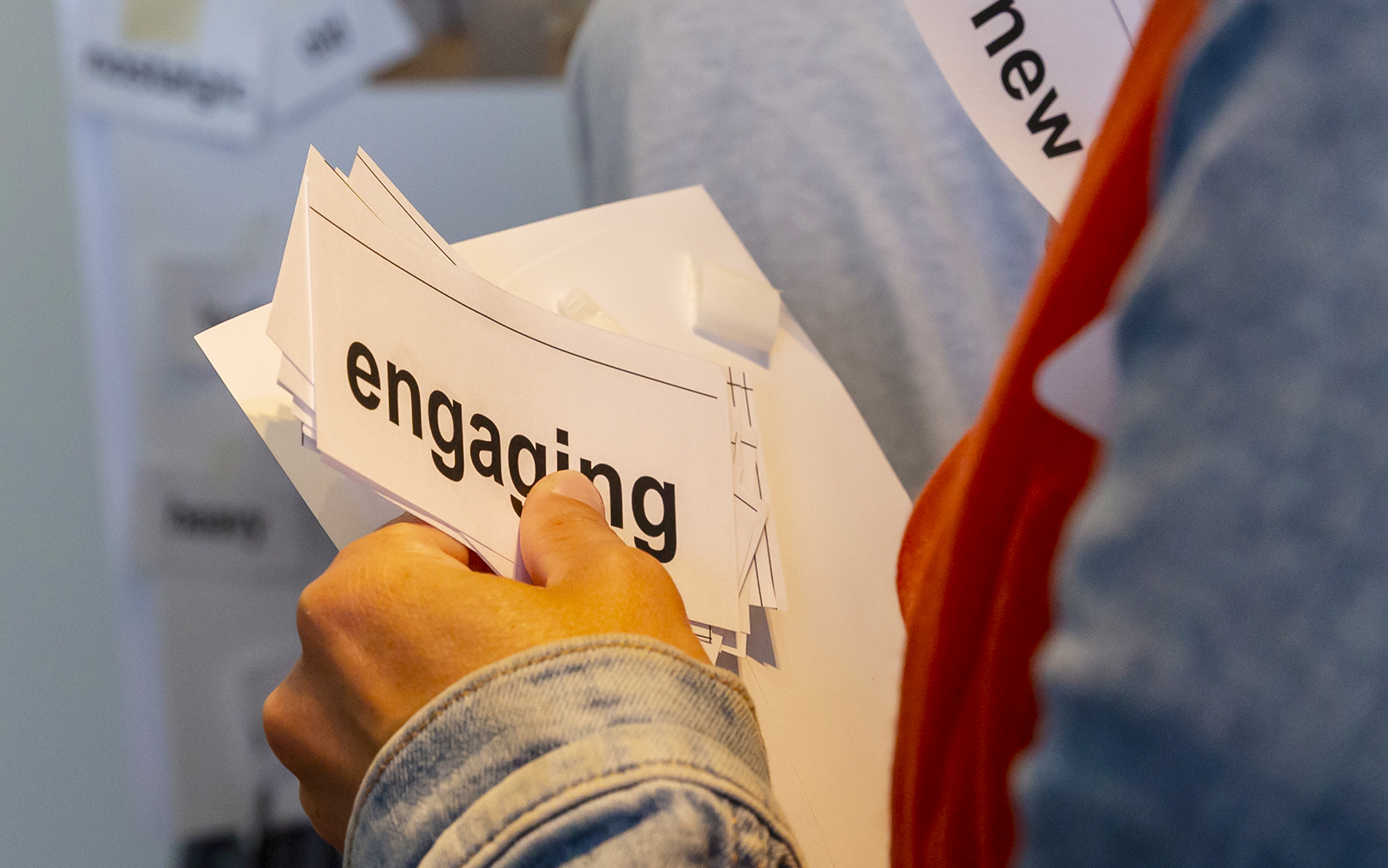
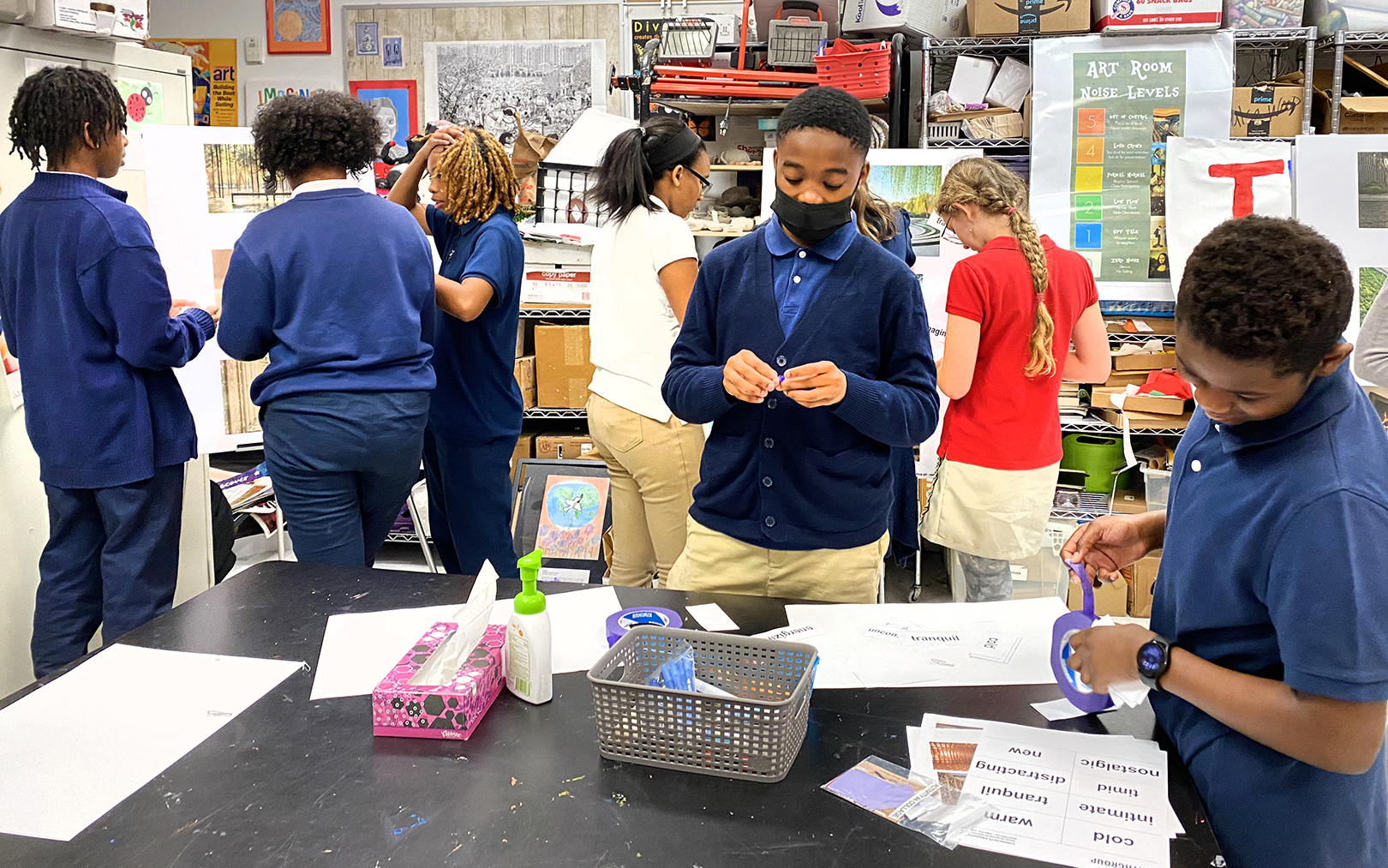
Once the group is prepared, engagement methods must meet them where they are. Interactive, creative approaches allow participants to express ideas in ways that feel natural and accessible. Early ice-breaker exercises during engagement sessions for VMFA invited elementary, middle and high-school age groups to respond to curated images of different space types by attaching descriptive words or adding their own, encouraging spatial thinking and emotional awareness before deeper discussion. These tools unlock insights beyond verbal feedback alone and enable young people to communicate values, priorities, and emotions that might otherwise remain unspoken.
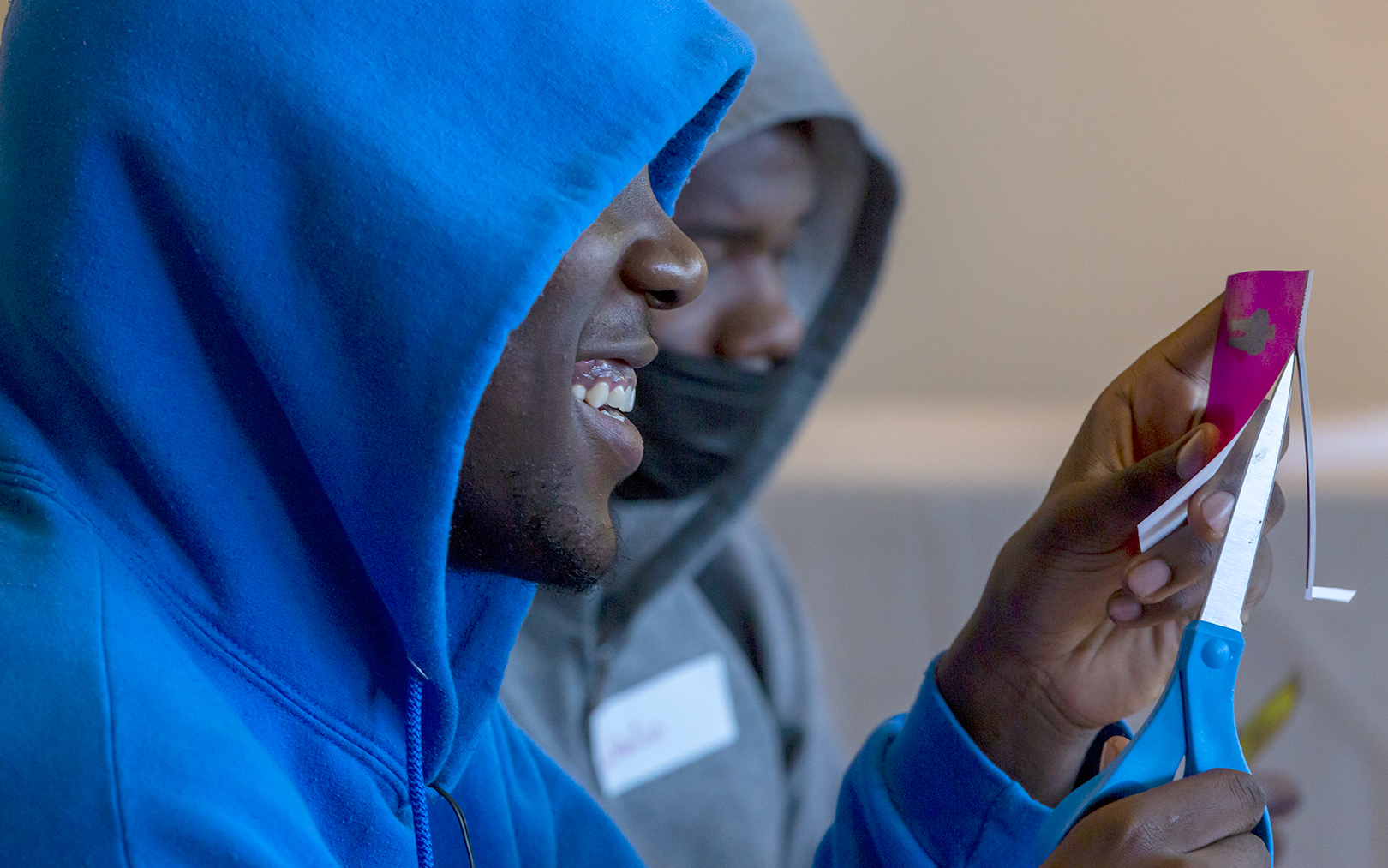
For the Biggs Museum, a collage-making activity allowed elementary school students to visualize ideas for the museum’s future, while at VMFA, high school participants expressed their perspectives through spoken word. At the university level, engagement shifts to more technical modes of representation such as asking students to reimagine a physical space using project plans and elevations that identified areas for potential design interventions. This exercise gives students the opportunity for applied creative exploration and provides the design team feedback for informed and intentional design responses. By tailoring engagement strategies to different age groups, designers can create inclusive pathways for young voices to meaningfully inform museum design.
Technology as an Enabler of Access and Expression
When used thoughtfully, digital tools expand participation without diluting insight. Virtual sessions, interactive polling, and visual survey platforms increase geographic reach and scheduling flexibility while meeting young participants where they are. These tools create additional entry points for engagement and often surface perspectives that might otherwise go unheard, particularly when paired with in-person sessions that emphasize shared documentation and visibility across formats.
Generated imagery developed through collective prompts helped young participants at engagement sessions for both VMFA and the Biggs Museum envision future possibilities together, demonstrating how digital and AI-enabled tools can support shared expression. Hybrid engagement models enabled equitable capturing of ideas across virtual and in‑person formats through shared digital documentation. In a university context, virtual participation broadened access for students with scheduling constraints and for contributors unable to attend in person. Although this format required additional coordination to align and document contributions across modalities, it strengthened shared understanding among participants. Importantly, the hybrid approach created space for generational voices shaped by institutional history to meaningfully influence future design decisions.
Turning Youth Input into Design Action
The shift from “seen, not heard” to listened to and designed with marks a fundamental change in museum design and institutional culture. Engaging youth is no longer optional. It is essential, and it asks institutions to move beyond symbolic inclusion toward meaningful listening and response. Designers are central to this shift, transforming youth engagement into impact by thoughtfully aggregating and interpreting young voices alongside other stakeholder insights. When handled with rigor, youth perspectives shape real design outcomes without being tokenized or oversimplified.
Equally important is recognizing that engagement itself must be designed. The structure, framing, and medium of participation directly influence what young people feel able to express. This challenges the design profession to consider how developmental and psychological insight might further strengthen youth-focused engagement. When we listen with intention, we are not just designing for the future. We are designing with those who will live it.
Want to learn more about stakeholder engagement during the design process? SmithGroup's new book Building a Museum: This is Not a Manual demystifies planning, designing and constructing a museum capital project.