Whiteriver Indian Hospital
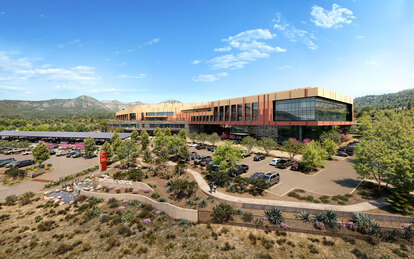
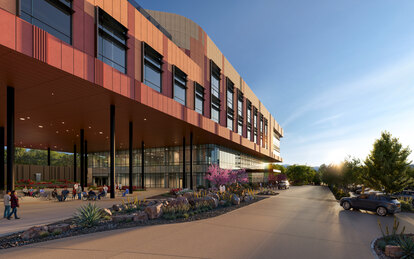
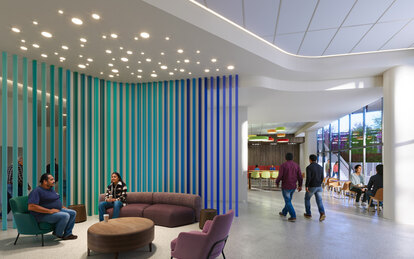
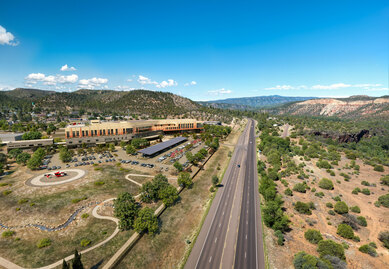
The Whiteriver Indian Hospital is a 407,000-square-foot acute care facility developed in close collaboration with the White Mountain Apache Tribe and the Indian Health Service (IHS). Situated on a 70-acre campus in Whiteriver, Arizona, the new hospital marks a transformative step forward in delivering healthcare that is community-centered, culturally grounded, and future-focused.
Designed to expand access to care, the facility goes beyond function, creating a healing environment that authentically reflects the cultural values, traditions, and lived experiences of the White Mountain Apache people.
Client
Indian Health Services
Location
Whiteriver, Arizona
Markets/Services
Health, Branded Experience, Acute Care, Ambulatory Care, Architecture, Landscape Architecture, Lighting Design, Medical Planning, MEP Engineering, Women's & Children's Health
Size
407,000 SF
A Holistic Approach to Care
The hospital supports a full spectrum of inpatient, outpatient, emergency and community-based services, including emergency and trauma care; adult, pediatric and women’s health; surgical and specialty care; behavioral health; and diagnostic and therapeutic services. New healthcare technologies and enhanced clinical capabilities elevate the level of care available locally, while integrated pharmacy, rehabilitation and chronic disease management programs further strengthen continuity across the patient journey.
By broadening access to advanced services and introducing new models of care delivery, the hospital significantly strengthens the region’s healthcare infrastructure and better serves the evolving needs of its growing community.
The design reflects a holistic understanding of healing—one that encompasses physical, emotional and spiritual well-being and is inseparable from place.
Community-Driven Design Process
From the outset, the design process centered the White Mountain Apache Tribe as collaborators—not simply as patients, but as caregivers, storytellers and partners. Tribal members, elders, clinicians and staff were engaged to ensure cultural knowledge and lived experience shaped the hospital’s architecture, materials, circulation and patient spaces.
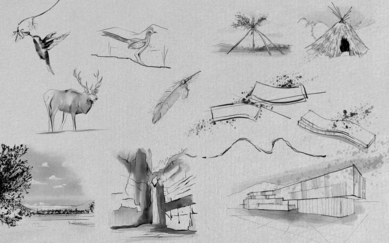
Rather than applying cultural references symbolically, stories shared through this process became foundational design drivers, creating a hospital that reflects authenticity, trust, respect and collective ownership.
Design Inspired by Water and Landscape
One of the most influential themes to emerge early in the design process was the cultural and spiritual importance of water. For the Apache people, water represents life, healing and continuity. The nearby White River and the natural flow of water across the site guided the placement and form of the building.
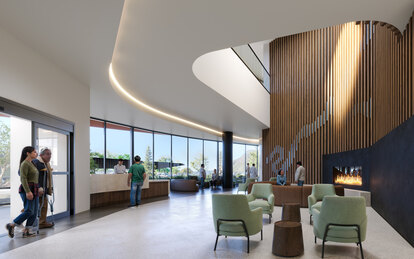
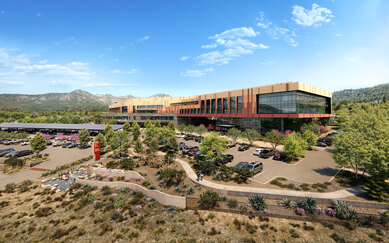
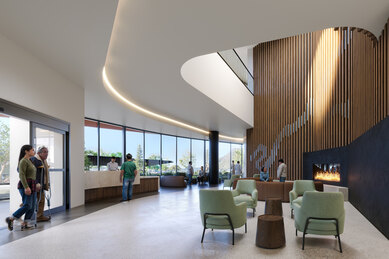
The hospital responds to existing topography rather than imposing a rigid structure, echoing the fluid movement of the river gorge. Curved forms and flowing circulation paths extend this concept into the interior, creating intuitive movement that reduces stress, supports wayfinding and fosters calm within a complex healthcare environment.
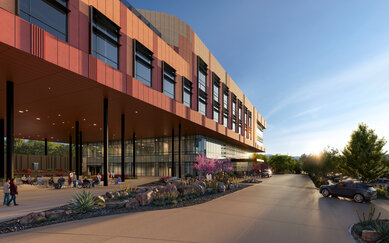
The surrounding landscape reinforces this continuum of care, incorporating plantings that reflect the local ecology and traditional medicinal species. Together, the building and site create an environment that aligns clinical treatment with cultural practices.
Integrating Traditional and Clinical Healing
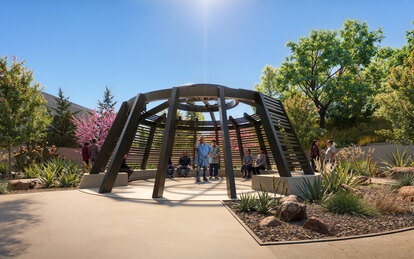
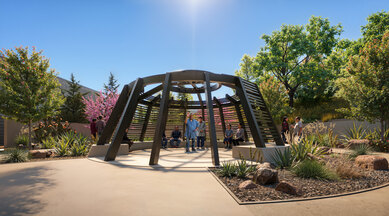
Healing within the White Mountain Apache community is holistic. Traditional healing spaces are integrated inside and outside the hospital to support ceremonies and cultural practices led by the Medicine Man. These spaces reflect a meaningful blending of traditional and Western medicine, reinforcing dignity, trust and cultural continuity alongside modern care delivery.
Material Expression and Connection to Place
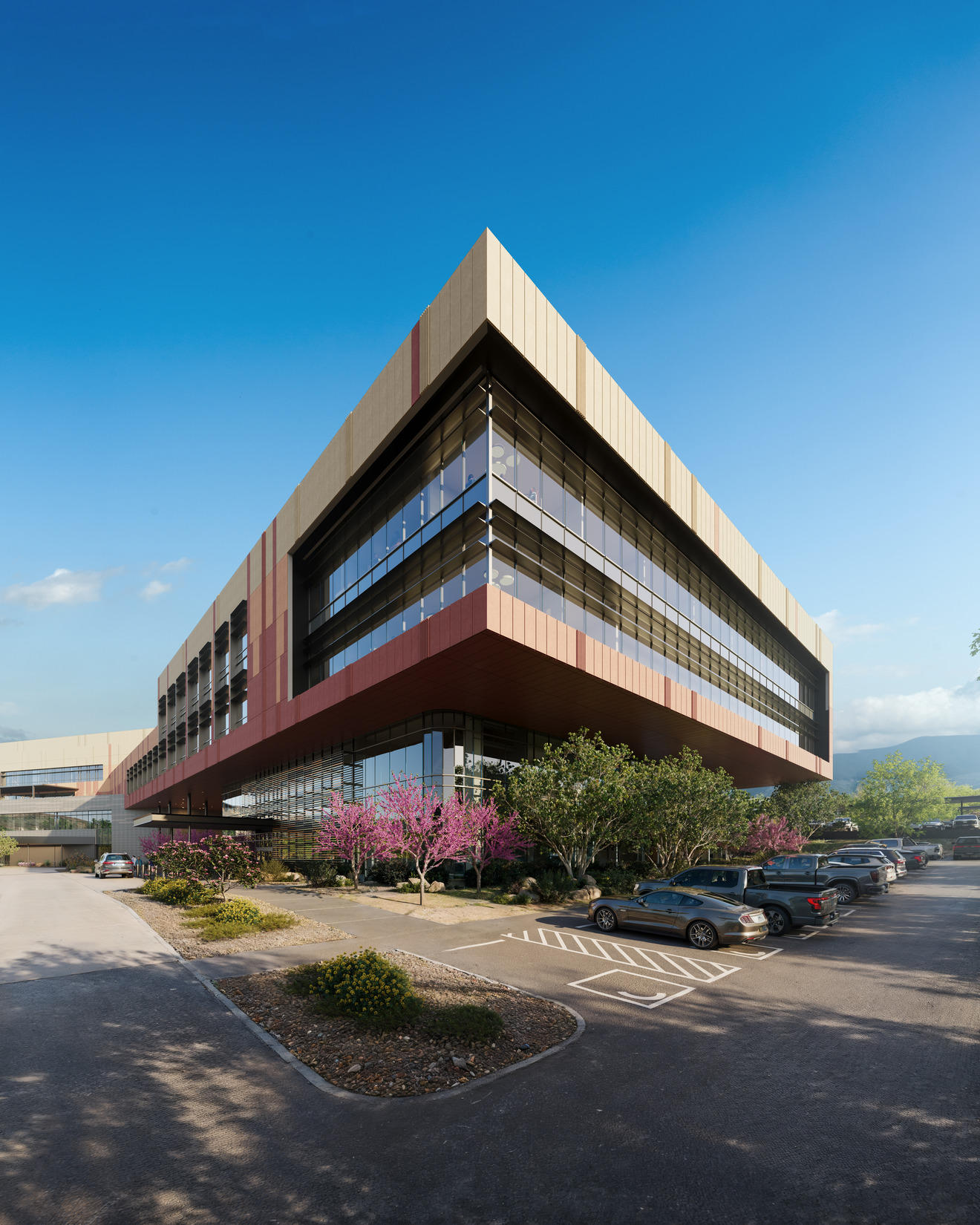
The hospital’s exterior features a terracotta rainscreen system whose color and tonal variation echo the layered strata of the mountains across the nearby river gorge. This expression connects the building visually to its surrounding landscape, while the use of terracotta also aligns with the red clay significance embedded in Apache origin stories. Together, these references ground the building in both its environmental setting and cultural meaning.
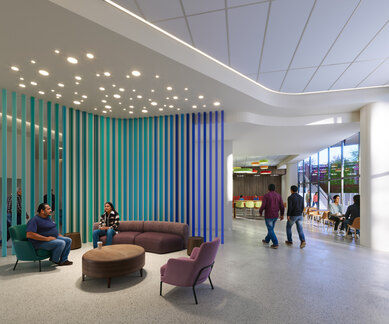
Inside, carefully integrated design elements continue this dialogue between environment, culture and care. At the staff entrance, a custom-colored glass installation casts shifting bands of light across the path of arrival. Inspired by a White Mountain Apache story of healing, the installation creates a moment of reflection for caregivers at the start of each shift, honoring cultural traditions while reinforcing the purpose and pride associated with their role.
Culturally Informed Patient Environments
Cultural meaning is embedded within patient spaces through thoughtful use of color, orientation and material.
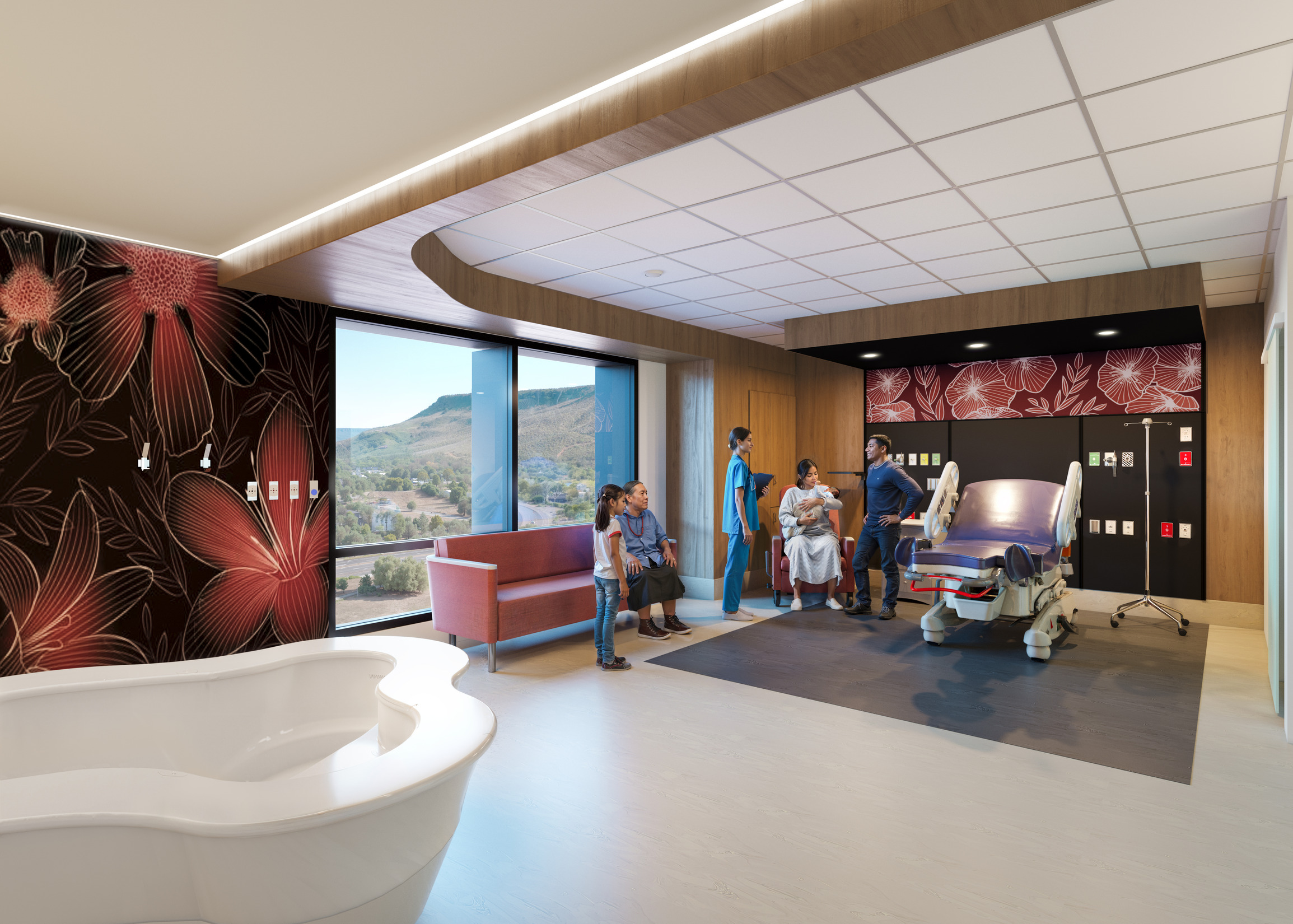
In the Labor and Delivery unit, black—representing the beginning of life—anchors the birthing environment, while red accents reference the sacred status of pregnancy within White Mountain Apache culture. Traditionally, pregnant women are marked with red pigment on their forehead to signify that they are sacred to the community. By incorporating these cultural references into the care environment, the design acknowledges birth as both a medical and deeply meaningful cultural event, enhancing patient comfort, dignity and a sense of belonging.
A Model for Community-Centered Healthcare
The Whiteriver Replacement Hospital demonstrates how community-driven design can shape healthcare environments that are both clinically advanced and culturally responsive. By grounding design decisions in the knowledge and priorities of the White Mountain Apache Tribe, the project improves access to care, supports patient and staff well-being, and fosters a stronger connection between people, place and healing.
The design also reinforces a strong sense of place—celebrating the Tribe’s identity through meaningful cultural integration and creating a source of pride for the community it serves. By honoring traditions while supporting modern care delivery, the hospital helps preserve cultural heritage for future generations.
The result is a facility that not only delivers essential services, but also reflects the identity and values of the community it serves—offering a model for more inclusive and responsive healthcare design.